High-Deductible Health Insurance: Costs, Benefits, and When It Makes Sense
Embark on a journey into the realm of High-Deductible Health Insurance: Costs, Benefits, and When It Makes Sense. This introduction aims to pique your interest and provide an insightful glimpse into this complex topic.
Delve deeper in the subsequent paragraphs where we unravel the nuances of high-deductible health insurance.
High-deductible health insurance refers to a type of health plan with lower monthly premiums but higher deductibles compared to traditional health insurance.
These high-deductible plans often come with a deductible that must be met before the insurance starts covering costs, encouraging individuals to have more financial responsibility for their healthcare expenses.
When considering high-deductible health insurance plans, individuals need to be aware of the various costs they may encounter. From out-of-pocket expenses to premium comparisons with traditional insurance, understanding the financial implications is crucial.
High-deductible health insurance plans come with several benefits that can make them an appealing option for certain individuals. Let’s explore some of the advantages below.
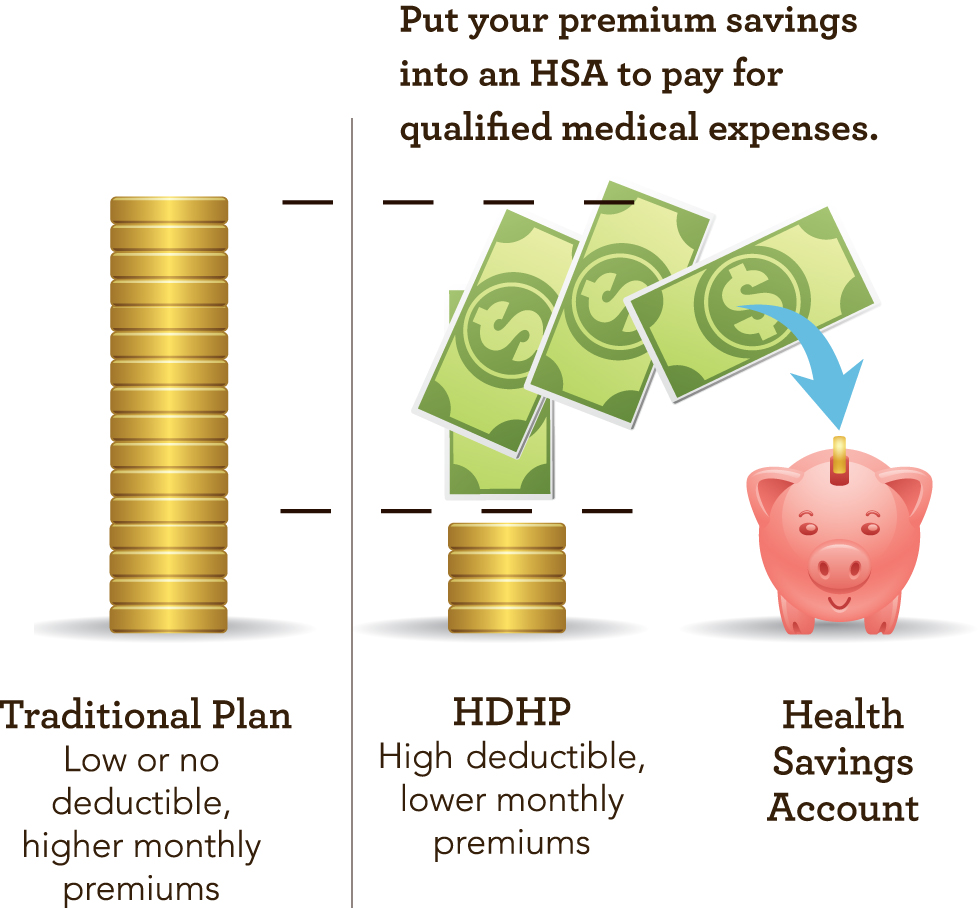
One of the primary benefits of high-deductible health insurance is the lower monthly premiums compared to traditional health insurance plans. By opting for a plan with a higher deductible, individuals can save money on their monthly premium payments.
High-deductible health insurance plans can often be paired with health savings accounts (HSAs). HSAs allow individuals to set aside pre-tax dollars to cover medical expenses, including those not covered by insurance until they reach their deductible. This can provide a tax-advantaged way to save for healthcare costs.
With a high-deductible health insurance plan, individuals have more control and flexibility over their healthcare costs. They can choose how much they contribute to their HSA, how they use the funds, and where they receive care. This can empower individuals to make informed decisions about their healthcare and potentially save money in the long run.
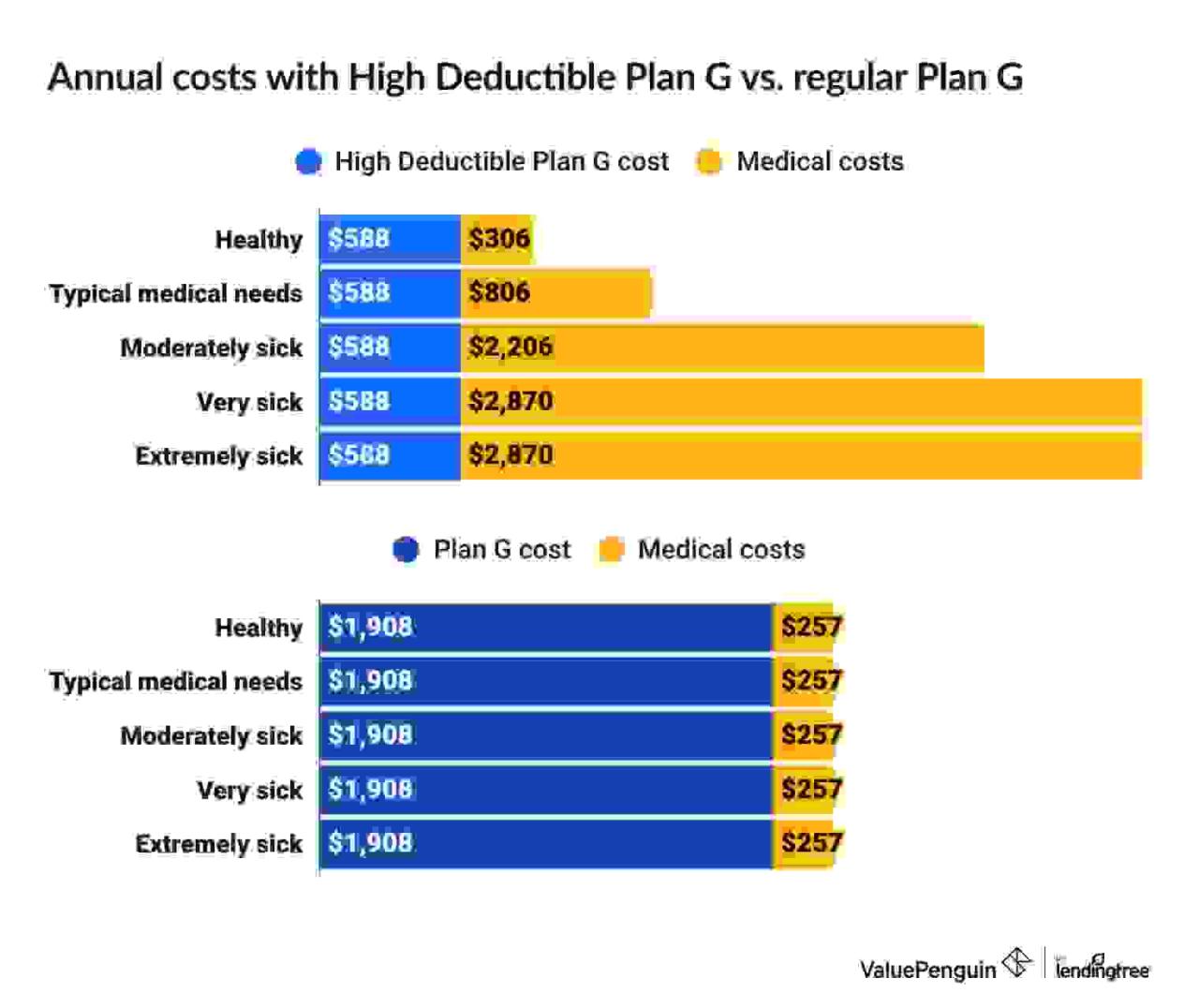
High-deductible health insurance plans can be advantageous in certain situations where individuals or families can benefit from the cost savings and flexibility they offer.
Self-employed individuals or freelancers who do not have access to employer-sponsored health insurance may find high-deductible plans appealing due to lower monthly premiums. They can save money on premiums while still having coverage for major medical expenses.
Young and healthy individuals who rarely visit the doctor may opt for a high-deductible plan as a way to save on monthly premiums. They can use a Health Savings Account (HSA) to save for future medical expenses and take advantage of tax benefits.
Families who have built up emergency savings and can afford to cover a high deductible in case of a medical emergency may benefit from a high-deductible plan. They can enjoy lower monthly premiums and use the savings to contribute to their HSA for future medical expenses.
What are the advantages of high-deductible health insurance?
High-deductible plans often come with lower monthly premiums, providing cost savings for individuals.
Can high-deductible health plans be paired with health savings accounts?
Yes, high-deductible plans can be paired with health savings accounts, allowing individuals to save for medical expenses tax-free.
When does it make sense to choose high-deductible health insurance over traditional plans?
High-deductible plans may be beneficial for individuals who are generally healthy and don’t require frequent medical care, as they offer cost savings in the form of lower premiums.