
Private Hospital Treatment Cost: Insurance Coverage vs Paying Out of Pocket
Exploring the realm of Private Hospital Treatment Cost: Insurance Coverage vs Paying Out of Pocket, this introduction sets the stage for a detailed comparison between utilizing insurance and bearing the expenses personally.
The subsequent paragraph will delve into the nuances and intricacies of the topic, offering valuable insights for readers seeking clarity on this subject.
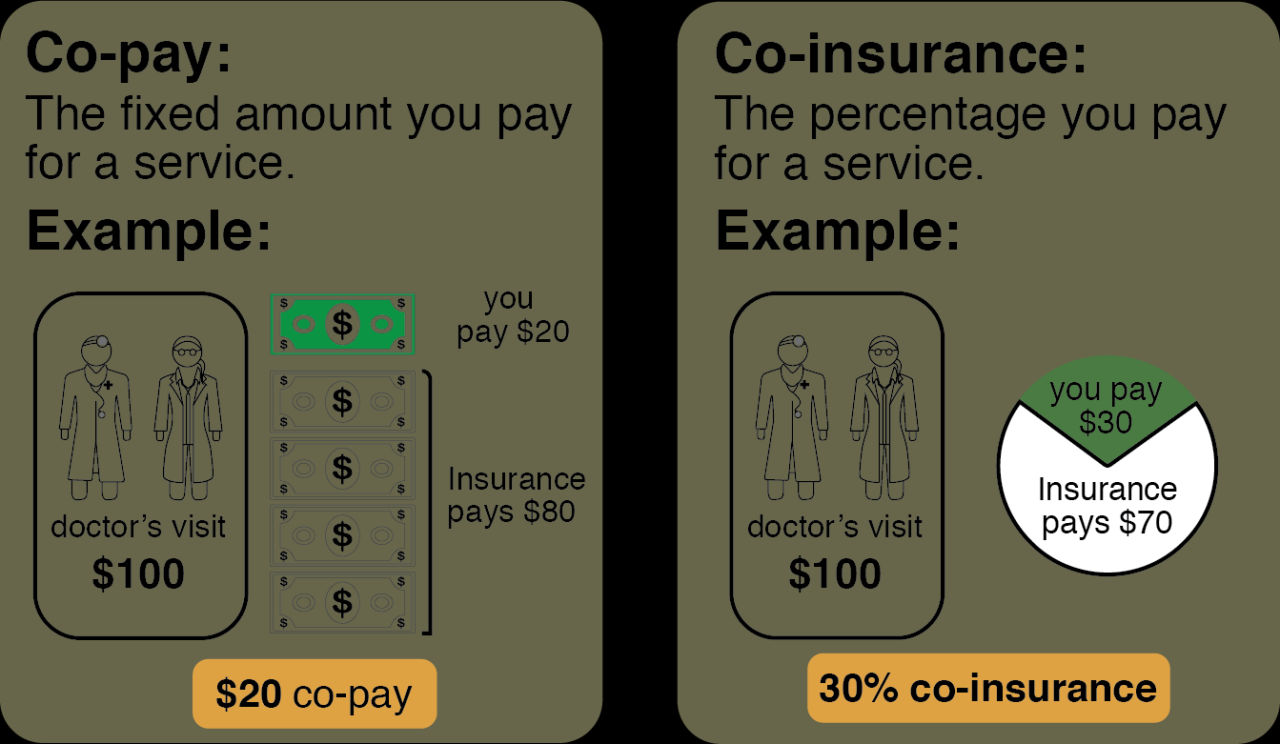
Private hospital treatment cost refers to the expenses incurred by individuals seeking medical care at private healthcare facilities. These costs are not covered by government-funded programs and are typically paid out-of-pocket or through private health insurance.
Public hospital treatment costs are covered by the government and are generally lower compared to private hospitals. Private hospital treatment costs, on the other hand, are set by the facility and can vary significantly depending on the services provided.
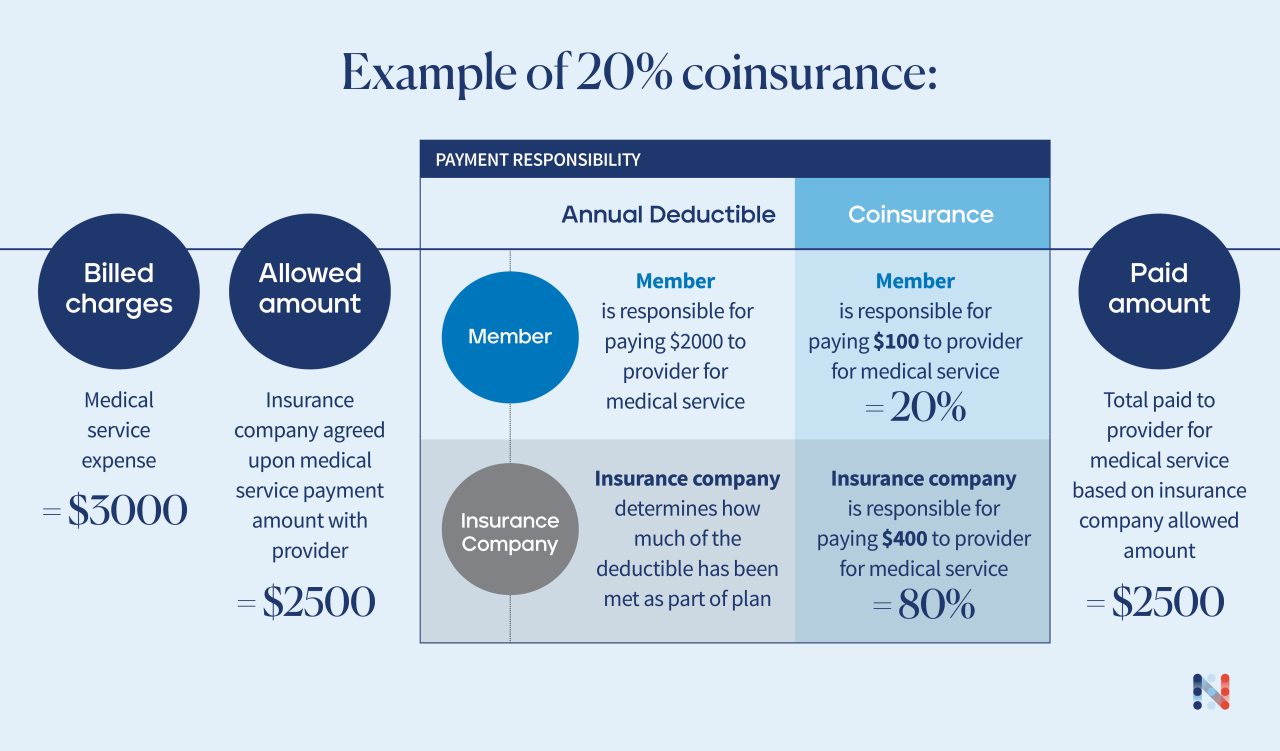
When it comes to private hospital treatment costs, many individuals rely on insurance coverage to alleviate the financial burden. Insurance companies play a crucial role in managing these costs and ensuring that policyholders have access to quality care without worrying about excessive expenses.
When it comes to paying out of pocket for private hospital treatments, there are both advantages and disadvantages to consider. While it provides more control over the choice of healthcare providers and treatment options, it can also be a significant financial burden for individuals without insurance coverage.
Let’s explore some strategies and tips for managing private hospital treatment costs when paying out of pocket.
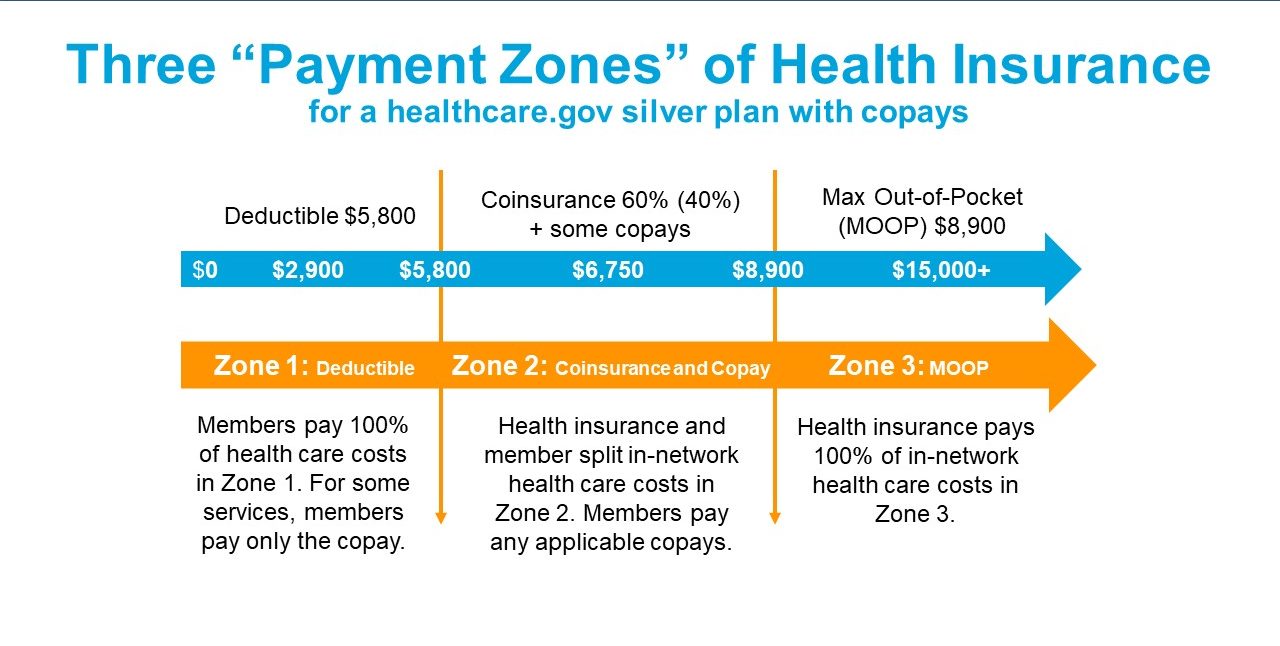
When it comes to private hospital treatments, individuals have the option to rely on insurance coverage or pay out of pocket for their medical expenses. Let’s explore the benefits and limitations of each approach along with the financial implications.
Insurance coverage for private hospital treatments can provide peace of mind knowing that a portion or all of the medical costs will be taken care of. It helps individuals avoid the burden of high medical bills and ensures access to quality healthcare services.
However, insurance coverage may come with limitations such as restrictions on the choice of hospitals, treatments, or healthcare providers. Additionally, copayments, deductibles, and exclusions in the insurance policy can add to out-of-pocket expenses.
When paying out of pocket for private hospital treatments, individuals have more control over their healthcare decisions and can choose their preferred hospitals and specialists. However, the financial burden can be significant, especially for expensive procedures or long-term treatments. On the other hand, utilizing insurance coverage can help reduce immediate financial strain, but individuals may still need to cover deductibles, copayments, and any expenses not covered by the policy.
In certain scenarios, paying out of pocket for private hospital treatments may be more beneficial than relying on insurance. For example, individuals with high deductibles or copayments may find it more cost-effective to pay directly for certain procedures. Moreover, individuals who prefer personalized care from specific healthcare providers not covered by their insurance plan may opt to pay out of pocket to access the desired services.
Is private hospital treatment cost more expensive than public hospital treatment cost?
Private hospital treatment costs are generally higher due to the premium services and facilities they offer compared to public hospitals.
Are all private hospital treatments covered by insurance plans?
Not all private hospital treatments are covered by insurance plans. It’s essential to check with your provider for specific coverage details.
How can individuals manage private hospital treatment costs without insurance?
Individuals can negotiate payment plans with hospitals, explore medical loans, or seek financial assistance programs to manage costs effectively.