Health Insurance With Dental and Vision: Plans, Costs, and Coverage Explained
Embark on a journey through the realm of Health Insurance With Dental and Vision: Plans, Costs, and Coverage Explained, where the complexities of insurance intertwine with the necessities of dental and vision care, creating a tapestry of information worth exploring.
Delve deeper into the nuances of health insurance options that encompass dental and vision coverage, paving the way for a comprehensive understanding of the benefits and intricacies involved.
Health insurance with dental and vision coverage provides a comprehensive package that goes beyond just medical expenses. It includes coverage for dental care and vision-related services, offering a more holistic approach to healthcare.
Having comprehensive health insurance that includes dental and vision coverage is essential for maintaining overall well-being. Dental and vision issues are common and can greatly impact one’s quality of life. By having coverage for these services, individuals can address preventive care, treatments, and corrective measures without the burden of high out-of-pocket costs.
When it comes to health insurance plans that include dental and vision coverage, there are several options available to consumers. Understanding the differences between these plans can help individuals make informed decisions about their healthcare coverage.
HMOs are known for their comprehensive coverage and emphasis on preventive care. When it comes to dental and vision benefits, HMOs typically offer a network of providers that members must use to receive coverage. This can lead to lower out-of-pocket costs for dental cleanings, eye exams, and other services.
However, HMOs may have limited choices when it comes to selecting a dentist or eye doctor.
PPOs offer more flexibility when it comes to choosing healthcare providers compared to HMOs. Members can see any dentist or eye doctor, whether they are in-network or out-of-network, but will pay less if they stay in-network. PPOs often cover a portion of the cost for dental and vision services, allowing members to access a wider range of providers while still receiving some level of coverage.
EPOs are similar to HMOs in that they require members to use a specific network of providers to receive coverage. However, EPOs do not typically require referrals to see specialists, making them a more streamlined option for individuals seeking dental and vision care.
EPOs may offer lower premiums compared to PPOs but have less flexibility in terms of provider choices.
Some health insurance plans offer standalone dental and vision plans as separate policies that individuals can purchase in addition to their medical coverage. These standalone plans may provide more comprehensive coverage for dental procedures, such as fillings or orthodontic treatment, and vision services like glasses or contact lenses.
On the other hand, bundled coverage within health insurance combines dental and vision benefits into one plan, offering convenience and potentially cost savings for members who want all-in-one coverage for their healthcare needs.
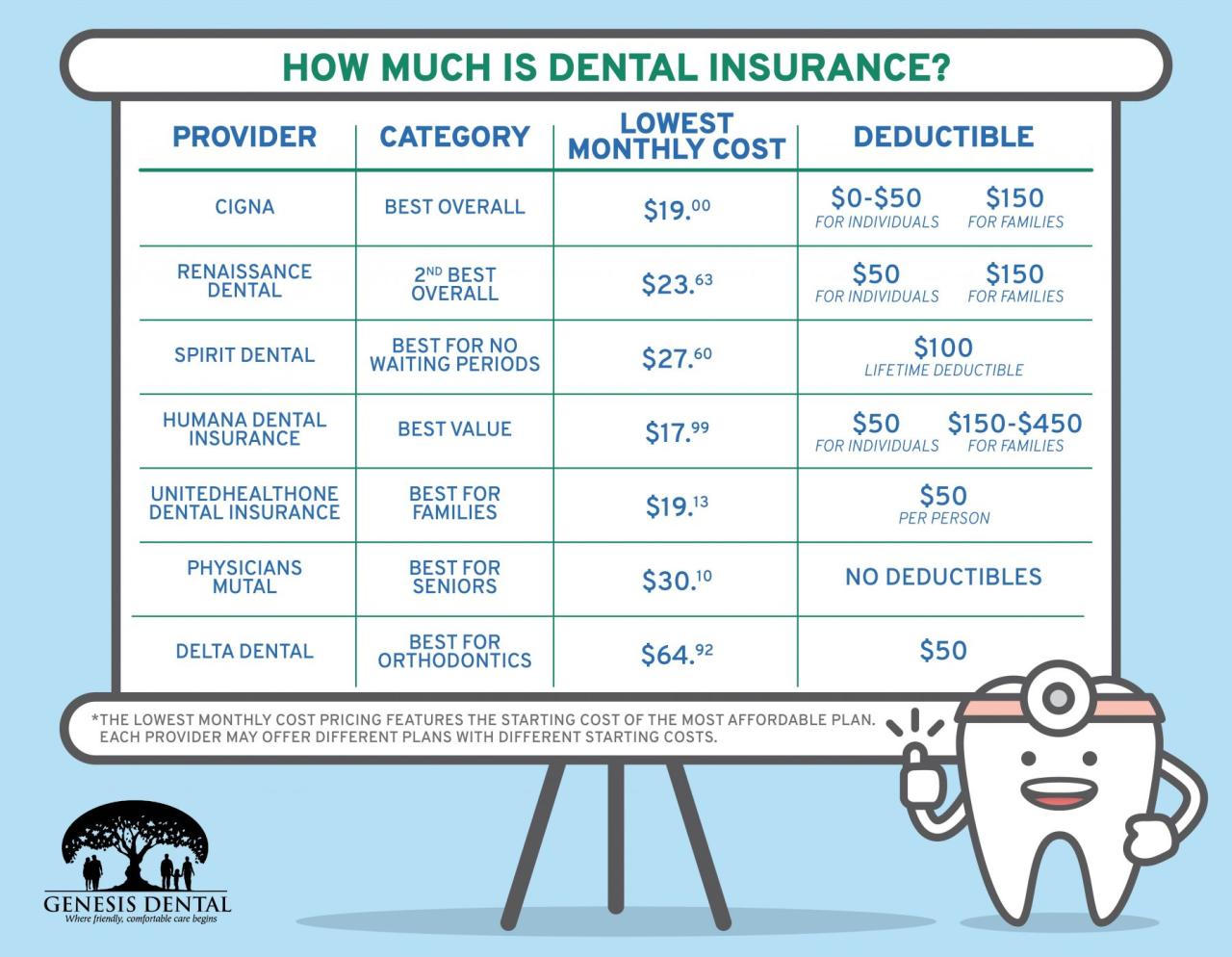
Understanding the costs associated with health insurance that includes dental and vision coverage is essential for individuals and families looking to secure comprehensive healthcare protection.
When it comes to health insurance with dental and vision coverage, there are three key cost components to consider:
For individuals or families seeking to save on costs while maintaining comprehensive coverage, there are several strategies to consider:
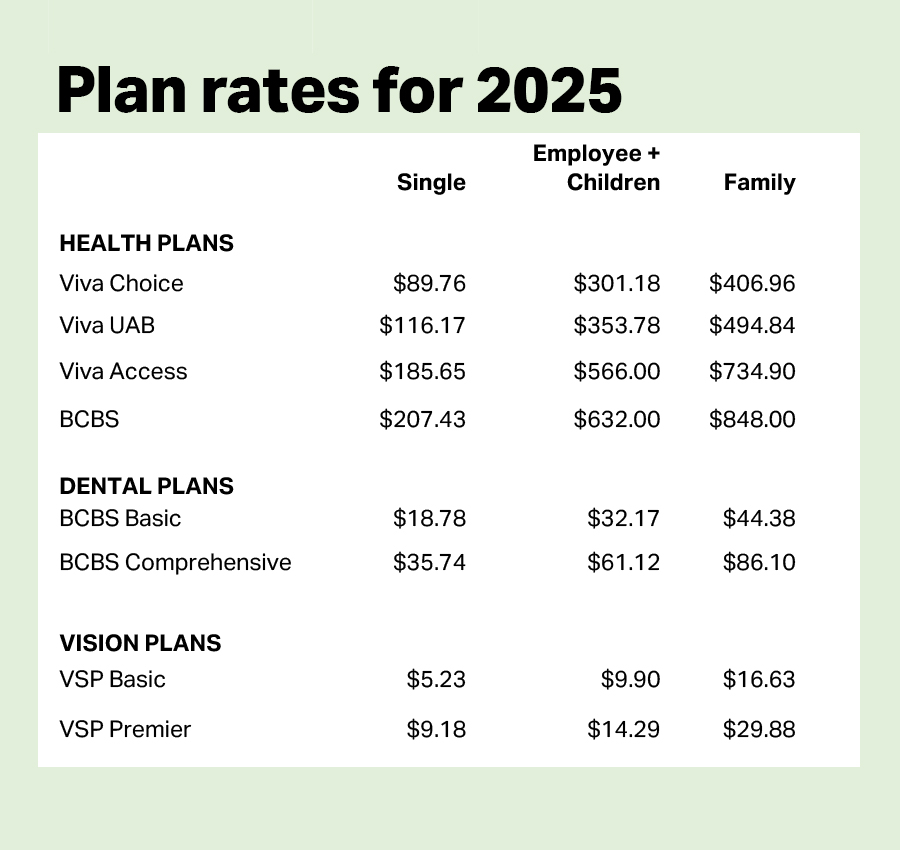
On average, adding dental and vision coverage to a health insurance plan can increase premiums by around $20 to $50 per month per individual. However, the exact cost can vary depending on the insurance provider, the level of coverage, and the specific services included in the dental and vision plans.
In health insurance plans that include dental and vision coverage, it is essential to understand the specific services covered under each to make the most of your benefits.
It is important to review your plan details to understand the specific coverage and any limitations or exclusions that may apply.
When selecting a health insurance plan that includes dental and vision coverage, it’s essential to consider various factors to ensure you find the most suitable option for your needs.
What does dental and vision coverage in health insurance typically include?
Dental coverage usually involves preventive care, basic procedures like fillings, and major services like root canals. Vision coverage includes eye exams, prescription glasses, and contact lenses.
Are there limitations on the number of dental check-ups or vision exams covered by insurance?
Insurance plans may have limitations on the frequency of check-ups or exams, so it’s important to check your policy for specific details.
How can I save on costs when adding dental and vision coverage to my health insurance?
Consider choosing in-network providers, using flexible spending accounts, or opting for standalone dental and vision plans for potential cost savings.