Hospital Insurance Coverage: Costs, Benefits, and Out-of-Pocket Expenses
Kicking off with Hospital Insurance Coverage: Costs, Benefits, and Out-of-Pocket Expenses, this opening paragraph is designed to captivate and engage the readers, setting the tone casual formal language style that unfolds with each word.
The content of the second paragraph that provides descriptive and clear information about the topic
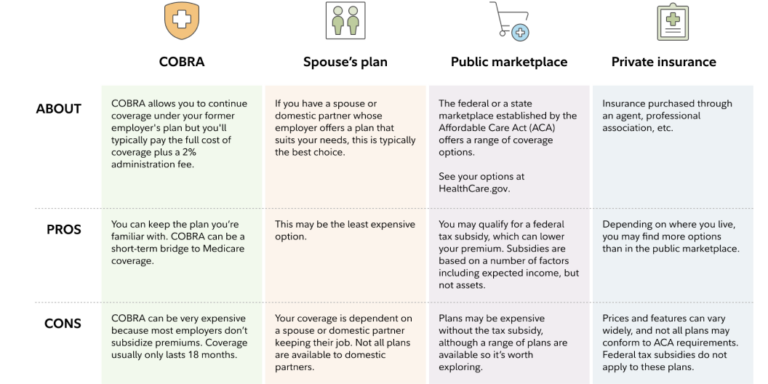
Hospital insurance coverage is a type of insurance that helps cover the costs of medical care specifically related to hospital stays. This coverage can include expenses such as room and board, surgeries, medications, and other treatments received during a hospitalization.
It provides financial protection by reducing the out-of-pocket expenses that individuals may face when seeking medical treatment in a hospital.
Having hospital insurance coverage is crucial as it provides financial protection against high medical bills that can result from unexpected hospital stays. Without insurance, individuals may struggle to afford necessary treatments and care, leading to potential financial hardship. Hospital insurance coverage ensures access to quality healthcare services without the burden of overwhelming out-of-pocket expenses.
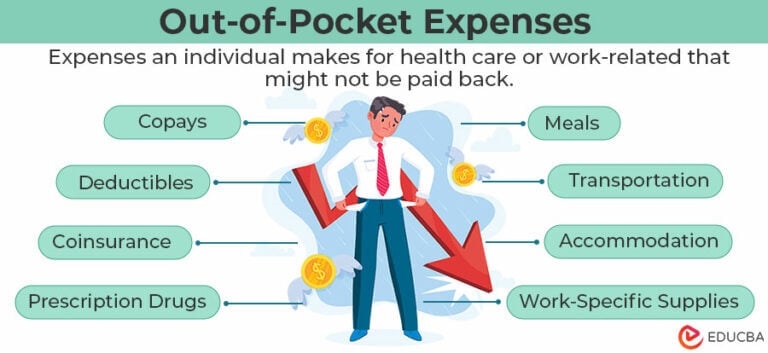
When it comes to hospital insurance coverage, there are various costs that policyholders need to be aware of. These costs can include premiums, deductibles, co-pays, and co-insurance. Understanding how these costs are determined and how they impact your overall expenses is crucial for making informed decisions about your healthcare coverage.
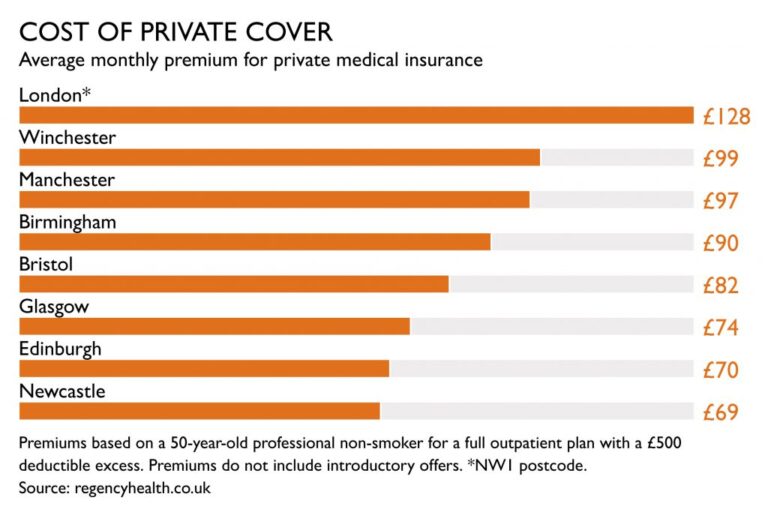
Premiums are the fixed amount that policyholders pay to their insurance provider on a regular basis, typically monthly. The cost of premiums can vary depending on factors such as the type of plan, coverage options, age, location, and health status of the policyholder.
Generally, the higher the coverage and benefits offered by the plan, the higher the premium will be.
Deductibles
This is the amount that policyholders are required to pay out of pocket before their insurance coverage kicks in. For example, if you have a $1,000 deductible, you must pay the first $1,000 of covered healthcare expenses before your insurance starts to cover costs.
Co-pays
Co-pays are fixed amounts that policyholders pay for specific healthcare services, such as doctor visits or prescription medications. These are typically due at the time of service and can vary depending on the type of service.
Co-insurance
Co-insurance is the percentage of costs that policyholders are responsible for paying after meeting their deductible. For example, if your insurance plan has a 20% co-insurance rate, you would pay 20% of covered expenses while the insurance provider covers the remaining 80%.Understanding these various costs associated with hospital insurance can help individuals and families budget effectively for healthcare expenses and choose the most suitable insurance plan for their needs.
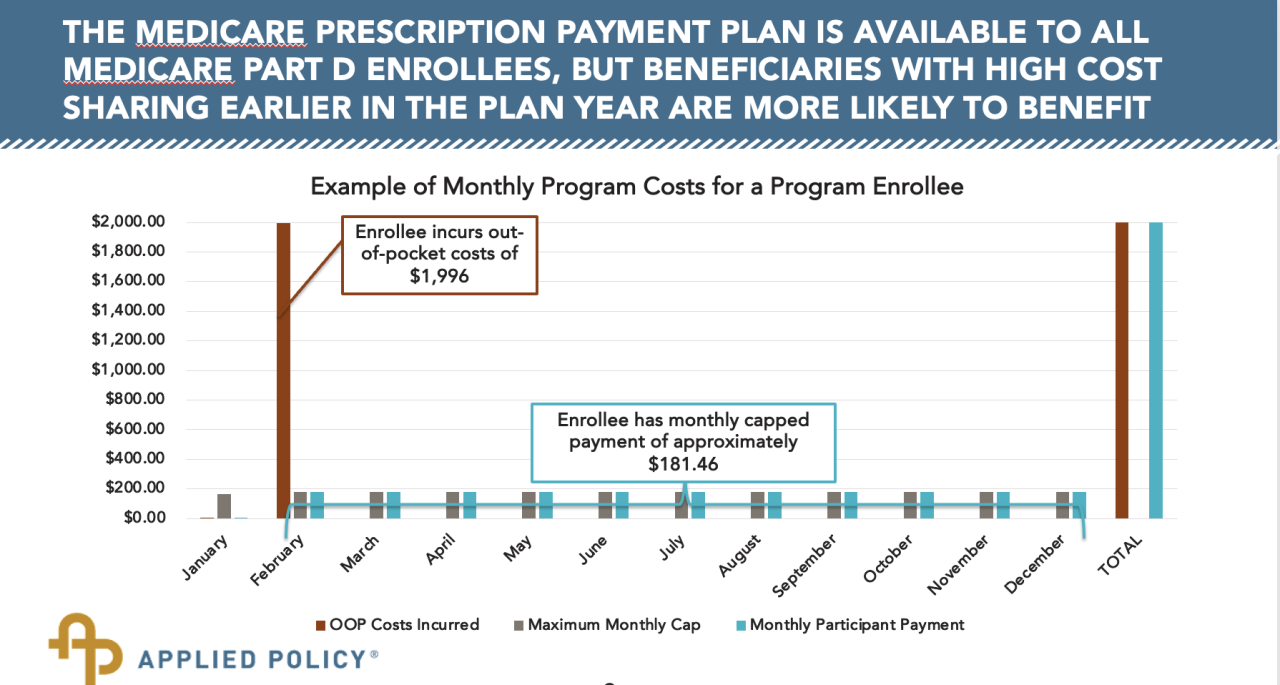
Hospital insurance coverage offers a range of benefits that can provide financial protection and peace of mind in the event of unexpected medical emergencies. Let’s explore some key advantages of having hospital insurance.
For example, if a policyholder requires an emergency appendectomy, hospital insurance can cover the surgical costs, hospital room charges, and follow-up care, preventing them from facing a substantial financial burden.
In another scenario, if a patient is diagnosed with a chronic condition that requires ongoing hospital visits and treatments, having insurance can help manage the long-term expenses effectively.
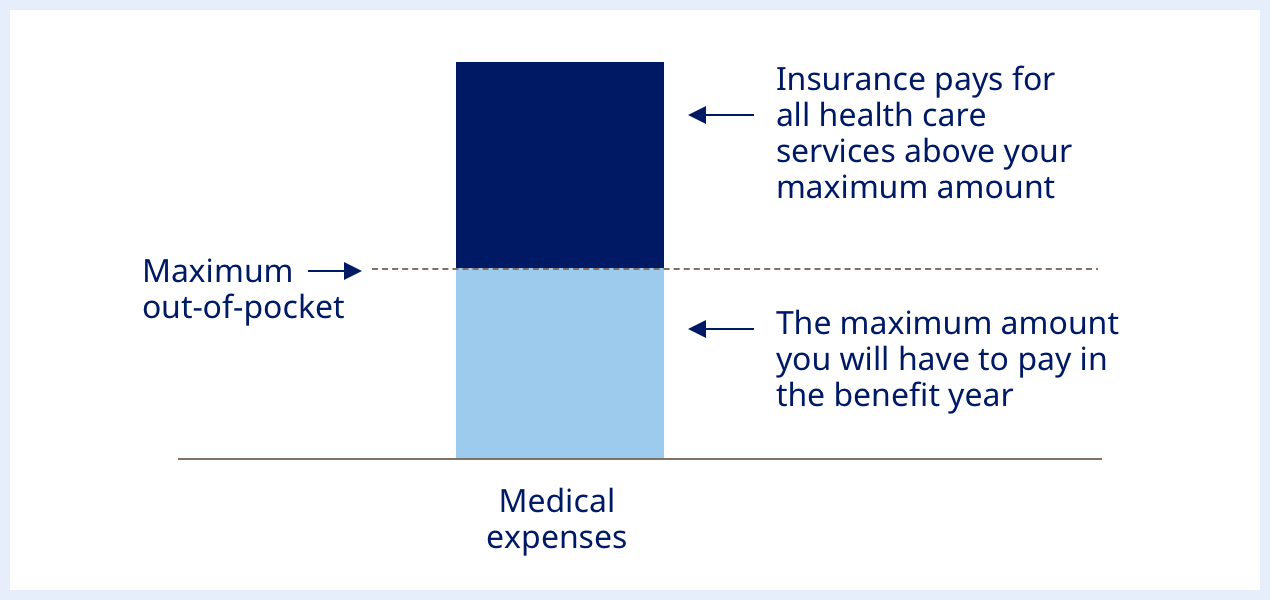
Out-of-pocket expenses refer to the costs that individuals are required to pay directly when receiving medical services, despite having hospital insurance coverage. These expenses can include deductibles, co-payments, and coinsurance, among others.
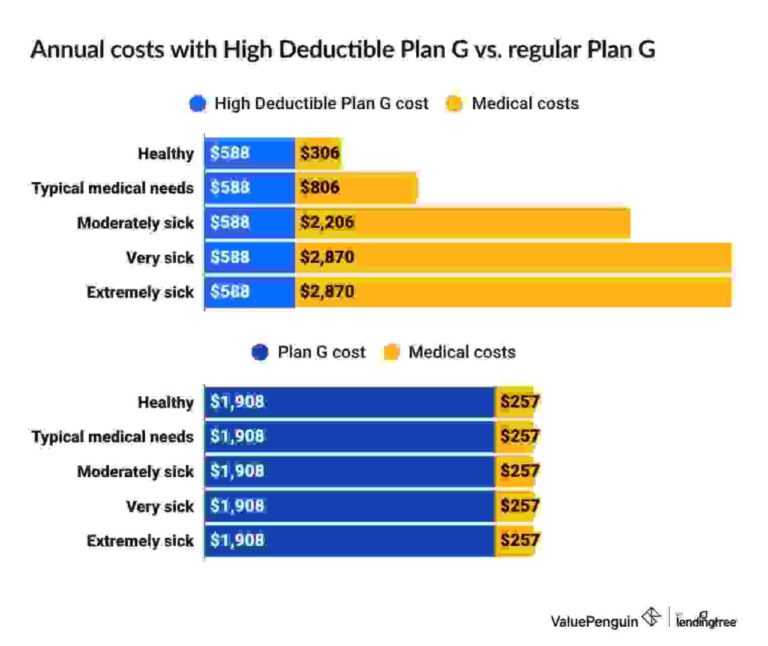
Out-of-pocket expenses can vary significantly depending on the type of hospital insurance plan an individual has. For instance, a plan with a high deductible may have lower monthly premiums but require higher out-of-pocket expenses when medical services are utilized. On the other hand, a plan with a lower deductible may have higher monthly premiums but lower out-of-pocket costs when receiving care.
To effectively manage and plan for out-of-pocket expenses related to hospital insurance coverage, consider the following tips:
What are out-of-pocket expenses in hospital insurance?
Out-of-pocket expenses are costs that individuals need to pay themselves, such as deductibles, co-pays, and co-insurance, not covered by the insurance plan.
How are premiums determined for hospital insurance plans?
Premiums for hospital insurance plans are calculated based on various factors like age, location, coverage level, and health status of the insured individual.
What are the benefits of having hospital insurance coverage?
Having hospital insurance coverage provides financial protection in case of medical emergencies, ensures access to quality healthcare, and reduces the burden of high medical costs.
How can one manage and plan for out-of-pocket expenses related to hospital insurance coverage?
To manage out-of-pocket expenses, individuals can consider setting up a health savings account, budgeting for medical costs, and choosing insurance plans with lower out-of-pocket maximums.