Health Insurance for Pre-Existing Conditions: Coverage Options and Costs
Health Insurance for Pre-Existing Conditions: Coverage Options and Costs sets the stage for this enthralling narrative, offering readers a glimpse into a story that is rich in detail and brimming with originality from the outset.
Exploring the nuances of health insurance coverage for pre-existing conditions unveils a complex landscape where options and costs play a crucial role in shaping individuals’ healthcare journeys.
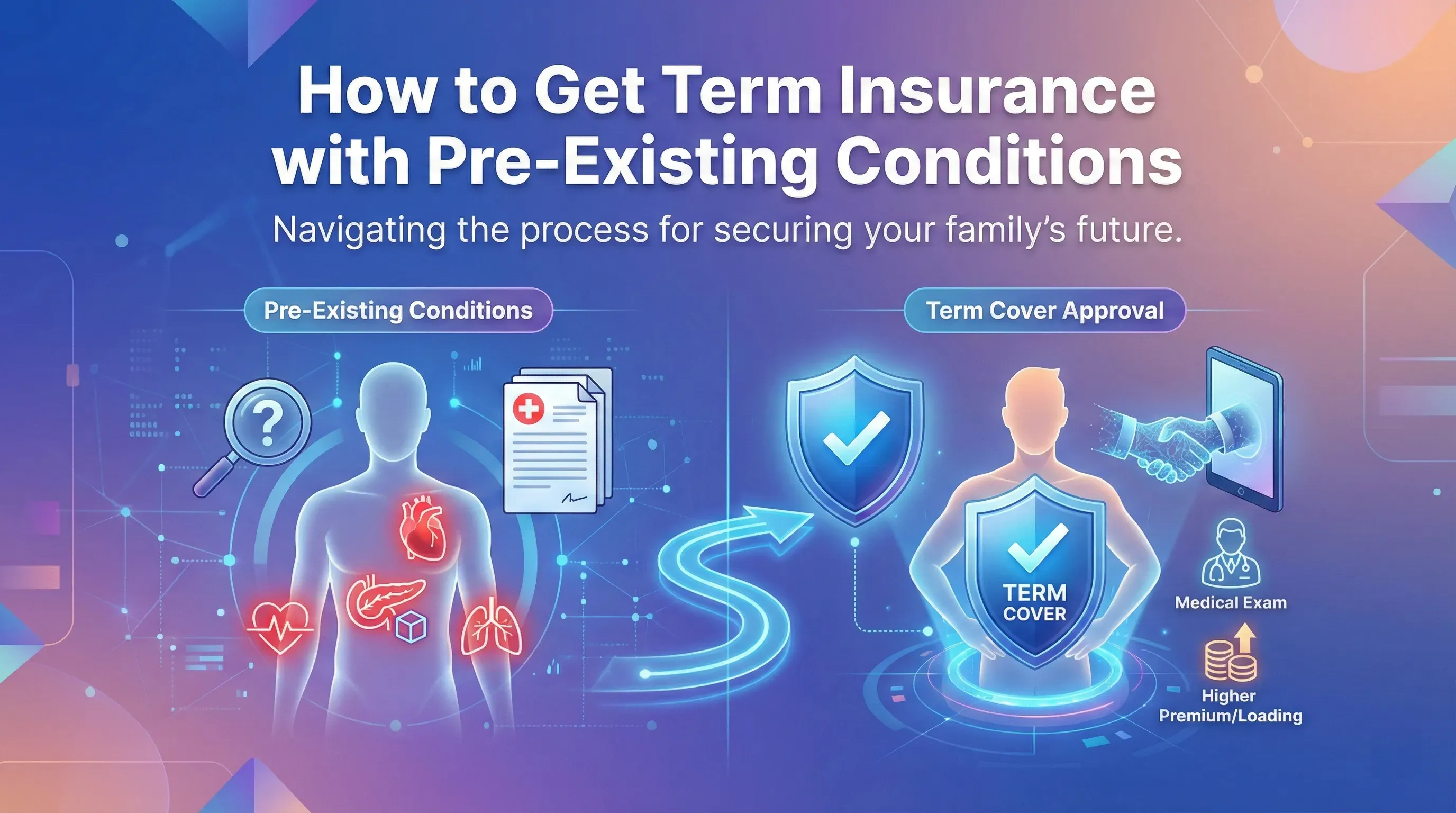
When it comes to health insurance, pre-existing conditions play a significant role in determining coverage options and costs. These conditions refer to any health issue that existed before the individual’s health insurance coverage began. It could be anything from asthma to diabetes, heart disease, or cancer.
Having coverage for pre-existing conditions is crucial as it ensures that individuals with chronic illnesses or ongoing health concerns receive the necessary medical care without facing exorbitant out-of-pocket expenses. Without adequate coverage, individuals may delay seeking treatment, leading to worsening health outcomes.
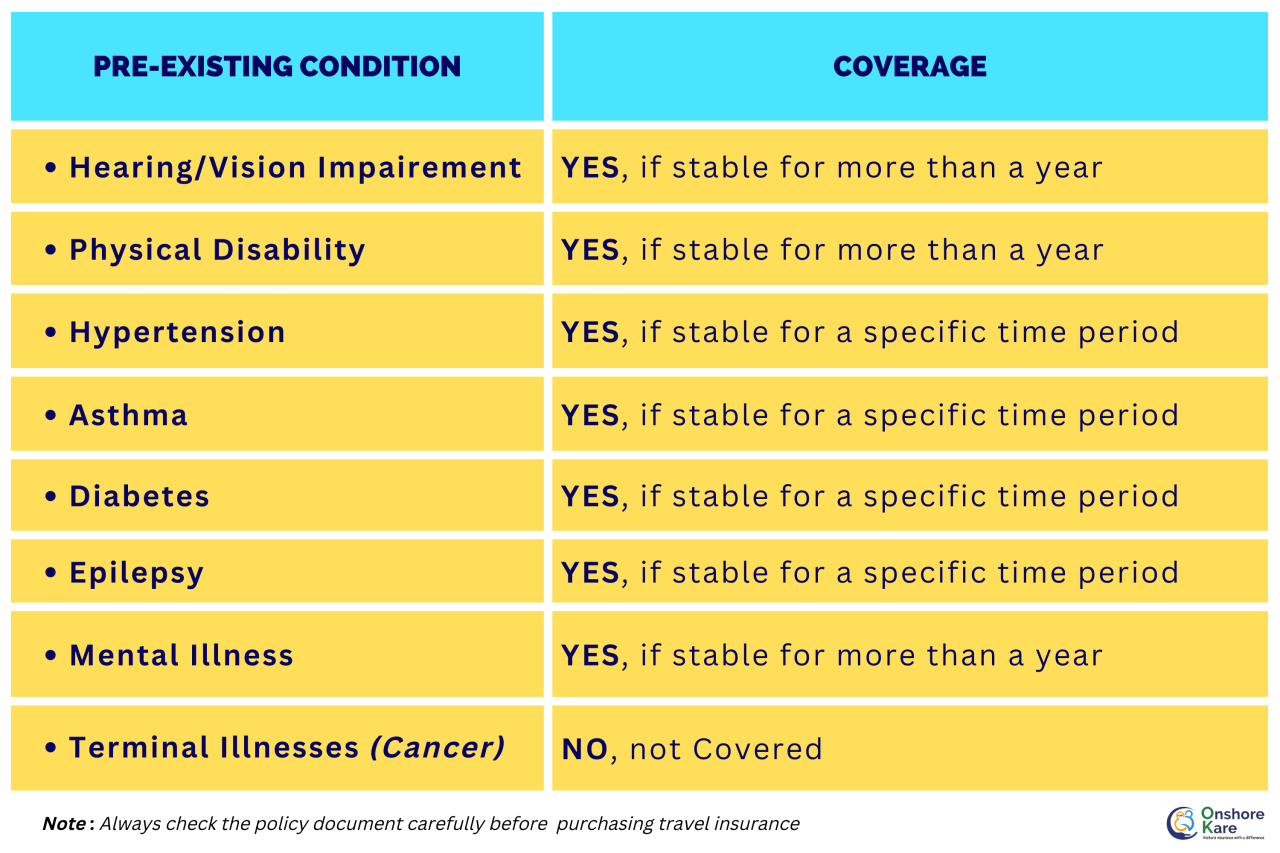
When it comes to health insurance plans that cover pre-existing conditions, there are several options available to individuals. These include individual plans, employer-sponsored plans, and government-run plans, each with its own set of coverage options, benefits, and limitations.
Individual health insurance plans are purchased directly by individuals or families from insurance companies. These plans are ideal for those who do not have access to employer-sponsored coverage or government-run programs. Individual plans may provide coverage for pre-existing conditions, but premiums can be higher compared to other types of plans.
Eligibility for individual plans typically depends on the applicant’s health status and medical history.
Employer-sponsored health insurance plans are offered by employers to their employees as part of their benefits package. These plans often cover pre-existing conditions and may have more comprehensive benefits compared to individual plans. Eligibility for enrollment in an employer-sponsored plan usually depends on the individual’s employment status and the company’s policies.
Government-run health insurance plans, such as Medicaid and Medicare, are designed to provide coverage to specific populations, including individuals with pre-existing conditions. These plans have eligibility criteria based on factors like income, age, disability, or other qualifying conditions. Government-run plans may offer more affordable options for individuals who meet the eligibility requirements.Overall, the type of health insurance plan that is most suitable for individuals with pre-existing conditions depends on their specific needs, budget, and eligibility criteria for enrollment.
When it comes to health insurance plans and pre-existing conditions, there are specific ways in which coverage is handled. It’s important to understand how these conditions are addressed to make informed decisions about your healthcare coverage.
Health insurance plans may impose waiting periods before covering treatment for pre-existing conditions. During this time, you may have to pay for any related expenses out-of-pocket. Some plans may also exclude coverage for certain pre-existing conditions or limit the amount they will pay for related treatments.
Some health insurance plans offer specific coverage options designed for pre-existing conditions. These may include disease management programs, specialized treatment networks, or tailored coverage for ongoing care needs related to the pre-existing condition.
It is crucial to disclose any pre-existing conditions when applying for health insurance. Failure to do so could result in denial of coverage or claims being rejected later on. Being upfront about your medical history ensures that you receive the appropriate coverage and care for your needs.
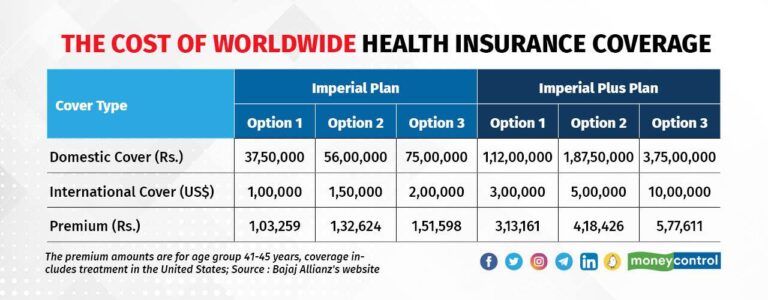
When it comes to obtaining health insurance coverage for pre-existing conditions, there are various costs involved that individuals need to consider. These costs can include premiums, deductibles, and co-pays, all of which can impact the overall affordability of health insurance.
Pre-existing conditions can significantly impact the cost of health insurance, as insurers may view individuals with such conditions as higher risk and therefore charge higher premiums. Additionally, individuals with pre-existing conditions may face higher deductibles and co-pays, further increasing the overall cost of health insurance coverage.
Managing costs associated with health insurance for pre-existing conditions can be challenging, but there are some strategies individuals can consider to help alleviate financial burden.
In the United States, there are legal protections in place to prevent discrimination based on pre-existing conditions, ensuring that individuals have access to health insurance coverage regardless of their medical history.
Recent healthcare laws, such as the Affordable Care Act (ACA), have significantly impacted coverage options for individuals with pre-existing conditions. One of the key provisions of the ACA is the prohibition of insurance companies from denying coverage or charging higher premiums based on pre-existing conditions.
This has allowed many individuals with pre-existing conditions to obtain comprehensive health insurance coverage at an affordable cost.
There are various advocacy groups and resources available to help individuals navigate health insurance with pre-existing conditions. Organizations like the American Cancer Society, American Diabetes Association, and National Alliance on Mental Illness provide valuable information and support to individuals seeking health insurance coverage.
These groups can offer guidance on finding the right insurance plan, understanding rights and protections, and advocating for better healthcare policies.
What are pre-existing conditions in the context of health insurance?
Pre-existing conditions are medical conditions that exist before a person applies for health insurance coverage.
How do pre-existing conditions impact the cost of health insurance?
Pre-existing conditions can lead to higher premiums or additional fees to account for the increased risk to the insurer.
Are there specific coverage options designed for pre-existing conditions?
Yes, some health insurance plans offer coverage specifically tailored to address pre-existing conditions, ensuring individuals receive necessary medical care.