
Dental Insurance Cost: Coverage, Annual Limits, and Treatment Expenses Explained
Exploring the realm of Dental Insurance Cost: Coverage, Annual Limits, and Treatment Expenses opens doors to a world of crucial information for individuals and families. By delving into this topic, one can uncover the significant impact dental insurance has on overall healthcare expenses, shedding light on how it aids in managing unexpected treatment costs.
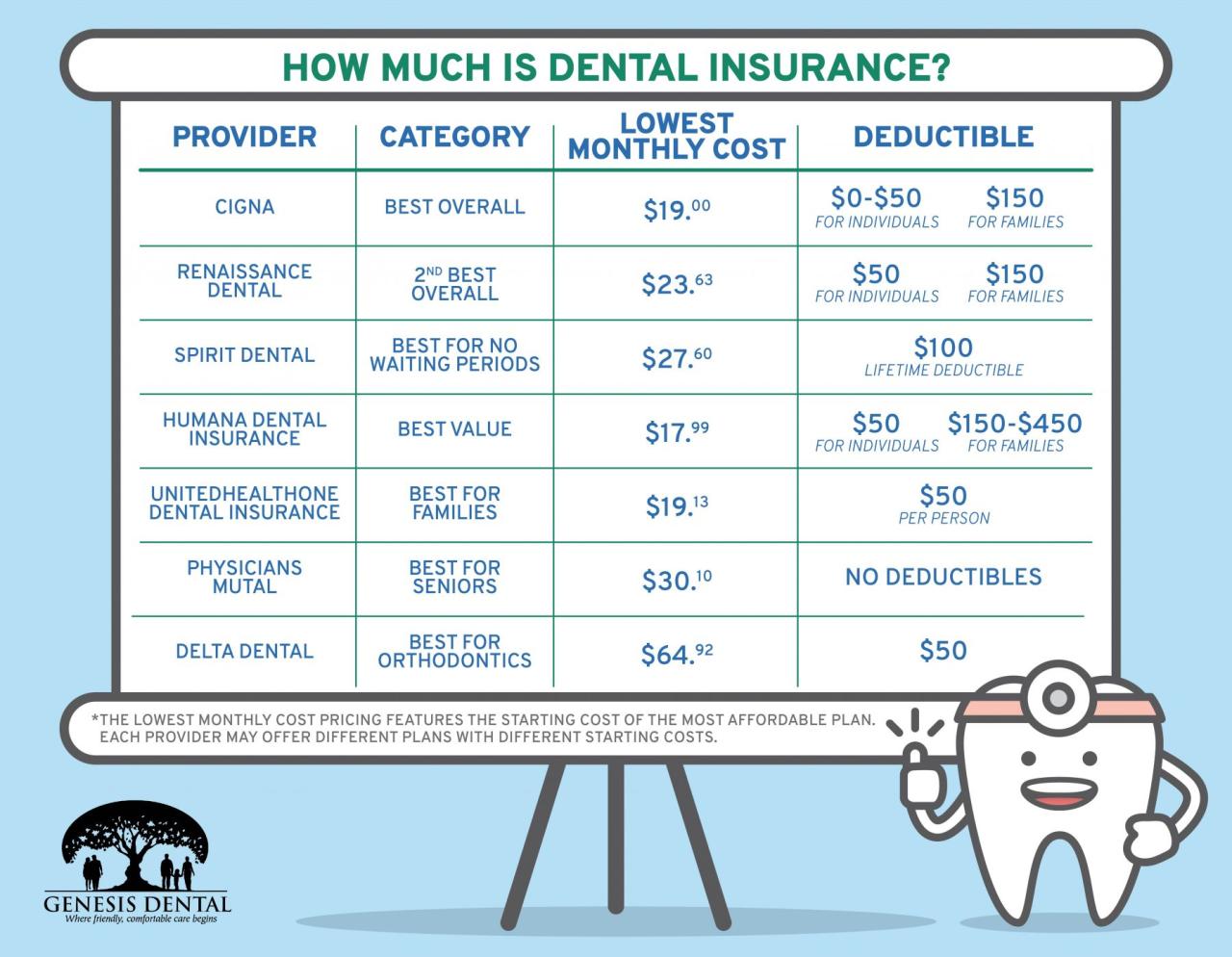
Understanding dental insurance costs is crucial for individuals and families as it helps in managing dental expenses effectively. Dental treatments can be costly, and having insurance coverage can provide financial protection and peace of mind.
Dental insurance plays a significant role in reducing overall healthcare expenses for individuals and families. By having dental coverage, individuals are more likely to seek preventive care and address dental issues early on, preventing more costly treatments in the future.
When it comes to dental insurance plans, understanding the coverage details is crucial to ensure you are adequately protected. Different providers offer varying levels of coverage, so it’s essential to compare and evaluate your options carefully.
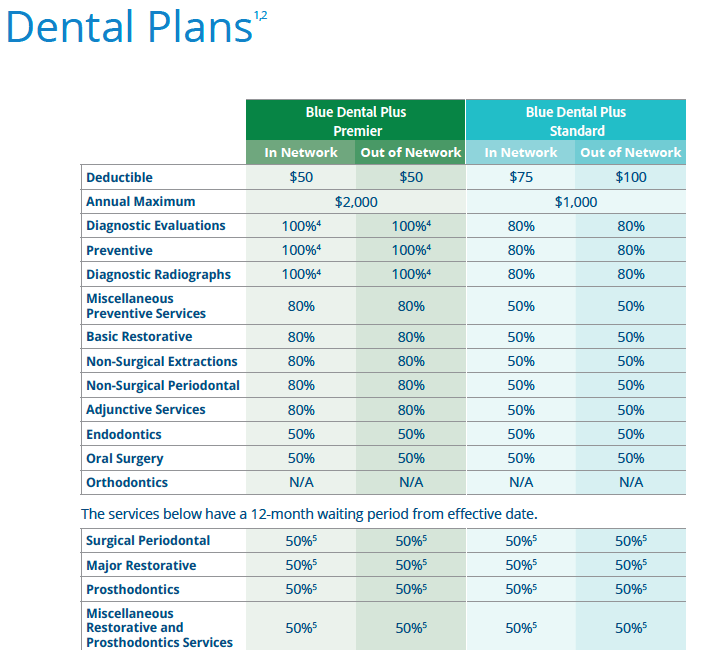
Annual limits in dental insurance refer to the maximum amount of money that the insurance will pay for covered dental services within a specific time period, usually a year. These limits can vary depending on the type of insurance plan you have and can impact the treatments you choose and how much you end up paying out of pocket.
Annual limits play a crucial role in determining the type and extent of dental treatments you can receive within a year. Once you reach the annual limit, you will be responsible for covering any additional expenses for dental services. This can influence your decision-making process when choosing treatments, as you may opt for more cost-effective options to stay within the limit.
In addition to dental insurance cost and coverage details, understanding treatment expenses is crucial for managing your overall dental healthcare costs effectively.When it comes to dental treatment expenses, it’s important to consider the different types of treatments you may need and how they can impact your out-of-pocket costs.
Here is a breakdown of typical dental treatments and how they can affect your expenses:
Regular dental cleanings are essential for maintaining good oral health. Most dental insurance plans cover preventive services like cleanings at little to no cost to you. However, if you require additional treatments during your cleaning, such as deep cleaning or scaling, you may incur extra expenses.
Fillings are common dental treatments for cavities. The cost of fillings can vary depending on the material used (e.g., amalgam, composite) and the number of surfaces being filled. Dental insurance typically covers a portion of the cost of fillings, but you may still have out-of-pocket expenses.
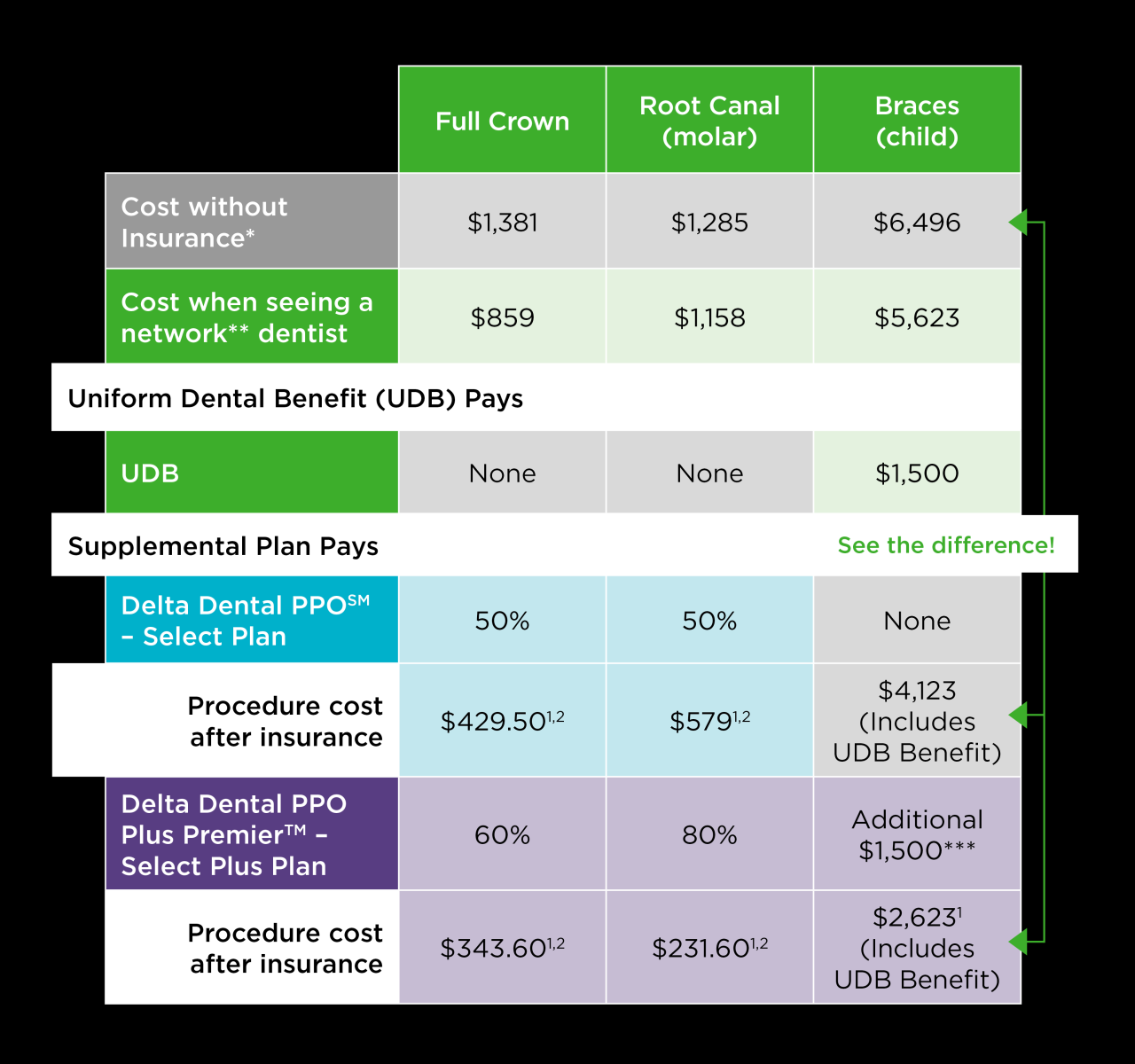
Root canals are necessary to treat infected or damaged tooth pulp. This procedure can be costly, especially if you need a crown to restore the tooth afterward. Dental insurance may cover a percentage of the cost, but you may still be responsible for a significant portion of the expenses.
Crowns are used to repair and protect damaged teeth. The cost of crowns can vary based on the material used and the complexity of the procedure. Dental insurance often covers a portion of crown costs, but you may need to pay for a portion out of pocket.Overall, managing treatment expenses effectively with dental insurance involves understanding your coverage details, including annual limits and co-payments.
It’s essential to choose a plan that aligns with your dental needs and budget to ensure you can access necessary treatments without breaking the bank.
What is the significance of understanding dental insurance costs?
Understanding dental insurance costs is crucial as it helps individuals and families manage unexpected treatment expenses and impacts overall healthcare costs.
How do annual limits affect treatment choices?
Annual limits in dental insurance determine the maximum amount a plan will pay for covered services within a year, influencing treatment decisions based on cost.
What factors should be considered when evaluating coverage options?
When evaluating coverage options, essential factors to consider include coverage areas (preventive care, basic procedures, major treatments), coverage variations between providers, and strategies to maximize benefits within annual limits.