Best Health Insurance for Families: Costs, Deductibles, and Plan Comparison
Exploring the realm of Best Health Insurance for Families: Costs, Deductibles, and Plan Comparison, this introduction sets the stage for an informative journey into the intricacies of health insurance for families.
Providing a comprehensive overview of the key aspects to consider when selecting a health insurance plan for your family.

In today’s world, having the right health insurance plan for your family is crucial to ensure their well-being and financial security. Let’s delve into the different types of health insurance plans suitable for families, understand the key terms like premiums, deductibles, and copayments, and explore the benefits of opting for a family health insurance plan over individual plans.
When it comes to health insurance, understanding the financial aspects is key. Here’s a breakdown:
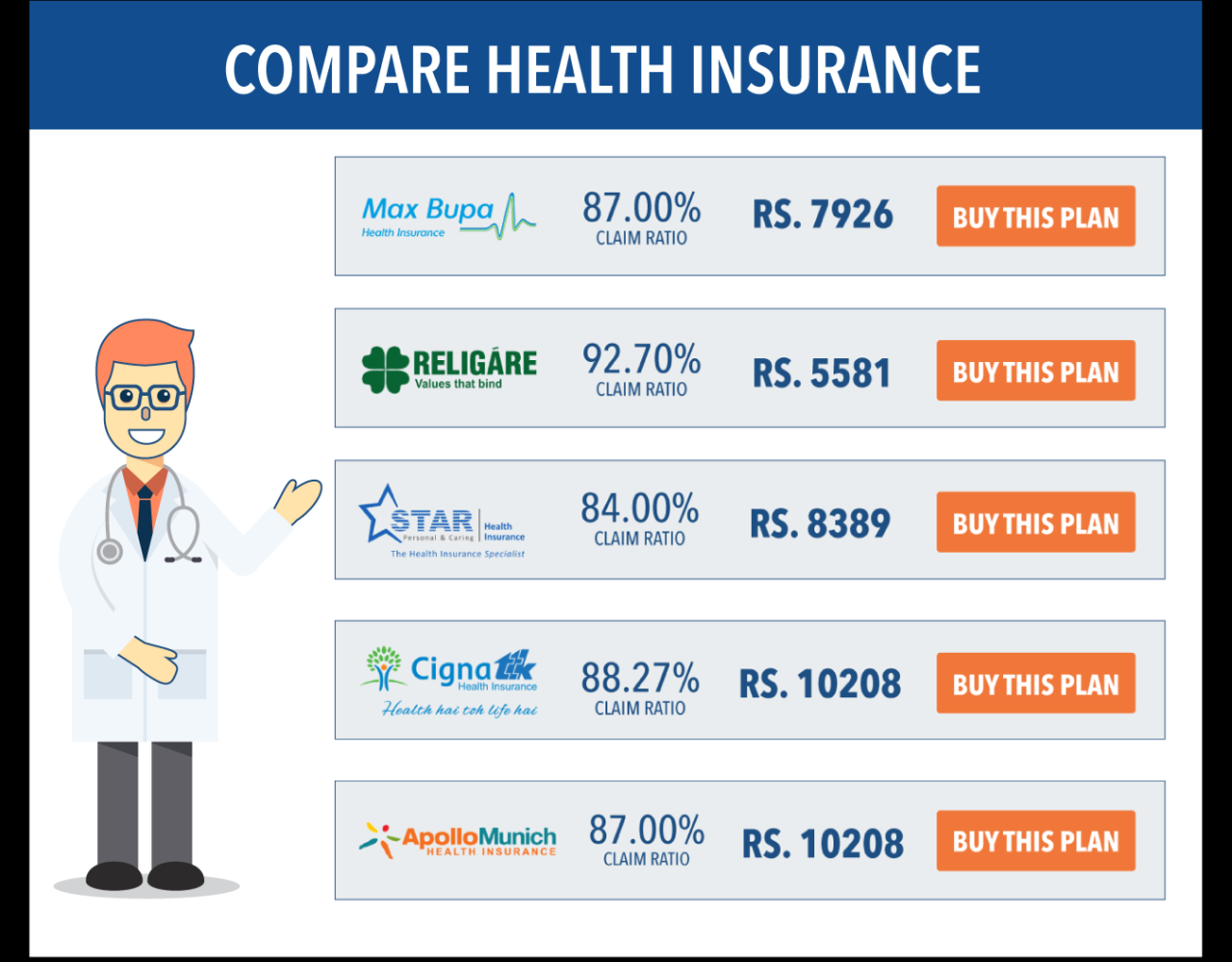
When choosing a family health insurance plan, there are several key cost factors to consider that can impact your overall expenses. Understanding how premiums, deductibles, and copayments work will help you make an informed decision that suits your family’s needs and budget.
Premiums are the fixed amount you pay each month for your health insurance coverage. Higher premiums usually mean lower out-of-pocket costs when you receive medical care, while lower premiums often come with higher out-of-pocket expenses. It’s essential to balance monthly premiums with potential healthcare needs to find the right fit for your family.
Deductibles are the amount you must pay out of pocket before your insurance starts covering costs. Copayments are fixed amounts you pay for services after meeting your deductible. Lower deductibles typically mean higher premiums, while higher deductibles usually result in lower monthly costs.
Understanding how deductibles and copayments impact your overall expenses can help you choose a plan that aligns with your financial situation.
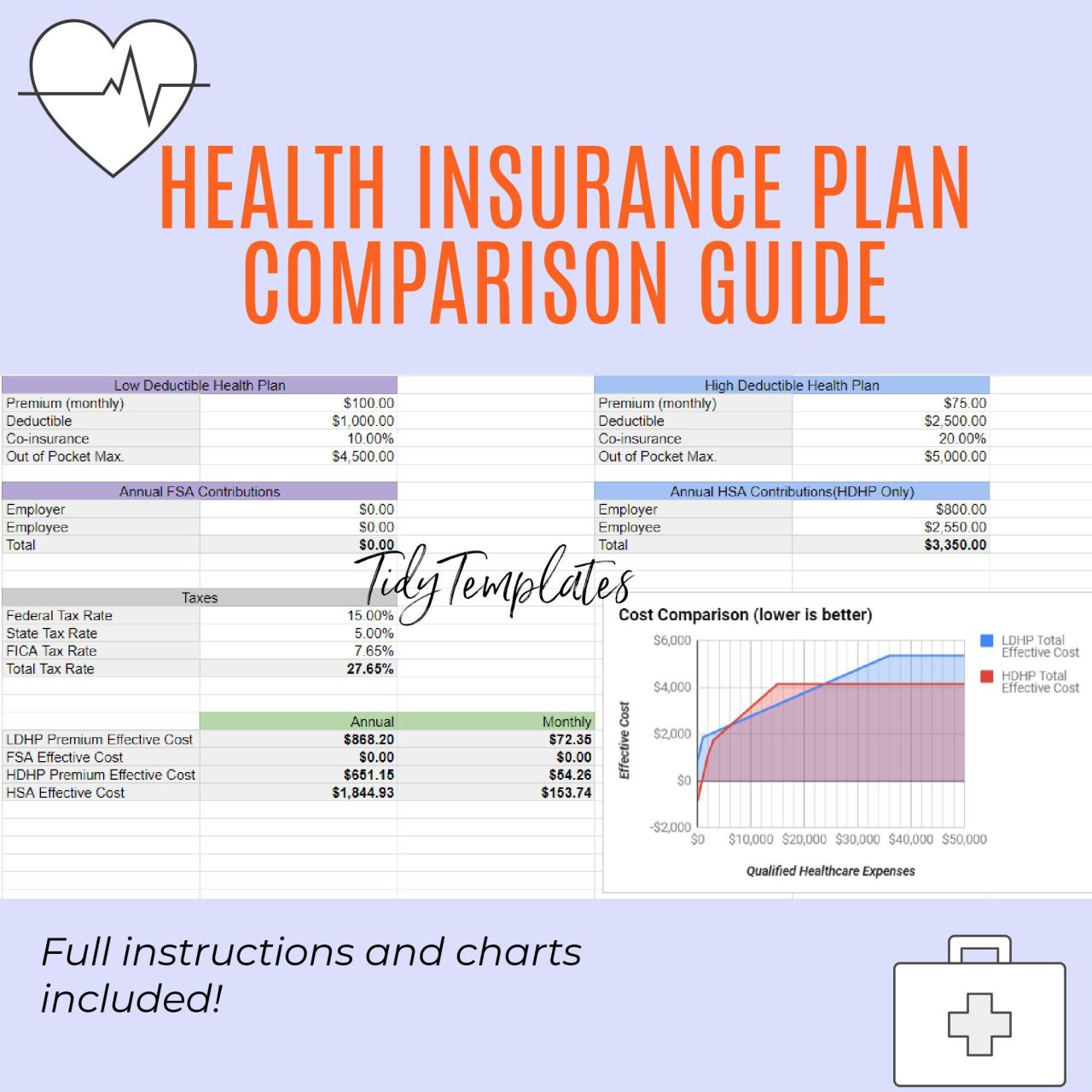
High deductible health plans (HDHPs) often have lower premiums but require you to pay more out of pocket before coverage kicks in. These plans can be cost-effective for families who are generally healthy and don’t anticipate many medical expenses. On the other hand, low deductible plans may have higher premiums but lower out-of-pocket costs, making them a better choice for families with frequent healthcare needs or chronic conditions.
Consider your family’s health status and expected medical expenses when deciding between high and low deductible plans.
When it comes to selecting the right health insurance plan for your family, it’s essential to compare and contrast the different options available. Each plan may vary in terms of coverage, costs, deductibles, and benefits, so it’s crucial to understand these differences before making a decision.
Network coverage plays a significant role in plan selection for families as it determines which healthcare providers are included in the plan’s network. Opting for a plan with a broader network can provide more options for primary care physicians, specialists, and hospitals, ensuring that your family has access to quality healthcare providers when needed.
On the other hand, a plan with a limited network may result in higher out-of-pocket costs if you seek care outside of the network. Therefore, considering network coverage is crucial when comparing health insurance plans for your family’s needs.
When it comes to choosing the best health insurance plan for your family, it’s essential to carefully evaluate your options. This process involves assessing your family’s needs, understanding different plan features, and navigating through complex policy documents. Here is a step-by-step guide to help you make an informed decision.
Before you start comparing health insurance plans, take the time to assess your family’s unique needs. Consider factors such as the number of family members, existing health conditions, anticipated medical expenses, and preferred healthcare providers. This information will help you narrow down your options and choose a plan that aligns with your family’s requirements.
Once you have a clear picture of your family’s needs, it’s important to understand the key features of different health insurance plans. Compare details such as premium costs, deductibles, co-pays, coverage limits, network providers, and out-of-pocket expenses. Pay attention to factors like prescription drug coverage, preventive care services, and emergency care benefits to ensure comprehensive coverage for your family.
Health insurance policies can be filled with complex jargon and technical terms that may be confusing for the average consumer. Take the time to carefully review policy documents, including the Summary of Benefits and Coverage (SBC). Look for information on coverage exclusions, limitations, and any additional benefits offered by each plan.
If you have any questions or need clarification, don’t hesitate to reach out to the insurance provider or a knowledgeable healthcare professional for guidance.
What are the different types of health insurance plans suitable for families?
There are HMOs, PPOs, EPOs, and POS plans, each with its unique features and coverage options.
How do premiums, deductibles, and copayments impact the overall costs of a family health insurance plan?
Premiums are the fixed monthly payments, deductibles are what you pay before insurance kicks in, and copayments are set amounts for covered services. Understanding these can help manage costs effectively.
What are some cost-saving strategies when selecting a health insurance plan for families?
Consider choosing a plan with a Health Savings Account (HSA), utilizing preventive care services, and comparing multiple plans to find the best value.
How important is network coverage when selecting a family health insurance plan?
Network coverage determines which healthcare providers are covered under your plan, impacting costs and accessibility to care for your family.